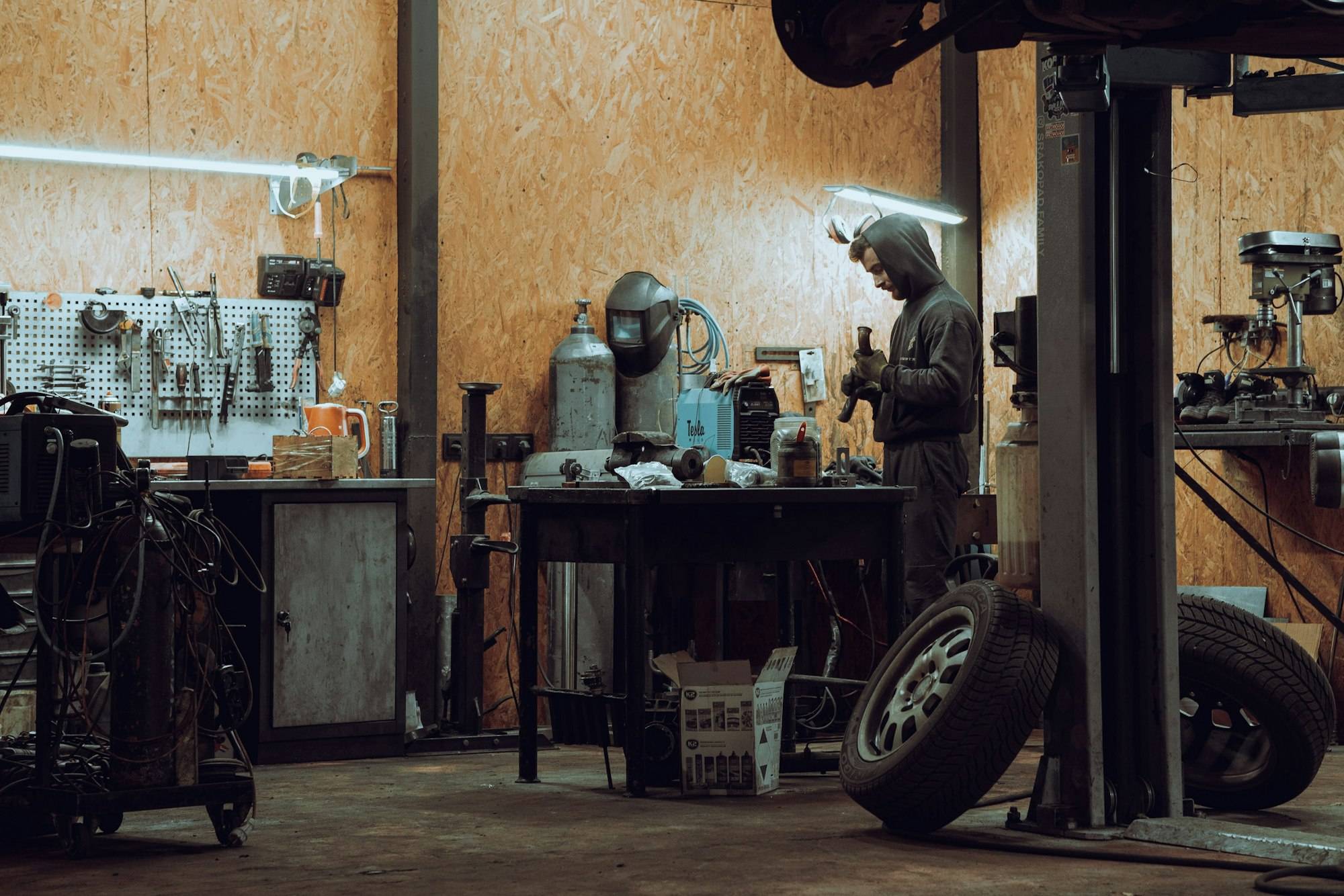
A new ute for the second crew, a refrigerated van, an excavator, a CNC machine, a coffee machine that can keep up with the morning rush — equipment is how businesses grow capacity. The question is whether to pay cash, finance the asset itself, or use a broader business loan.
What are the main ways to fund equipment?
1. Asset or equipment finance. The lender funds the purchase and takes security over the item itself, registered on the Personal Property Securities Register (PPSR). Common for newer vehicles and machinery from dealers.
2. An unsecured business loan. A lump sum sized to your turnover and bank statements, usually for businesses trading 6+ months. Useful when the asset is modest, older, bought privately, or something a financier won’t take as security — software, tools, a second-hand fit-out item.
3. A property-secured business loan. Equity in New Zealand property you or a supporter own secures a loan from $20,000 to $1m. Handy when you’re buying several things at once, the purchase is large, or your credit history makes other lenders nervous.
4. Cash. No borrowing cost, but it drains the working capital you’ll need to crew and run the new asset.
How do I choose?
Ask three questions.
How long will it earn money? Match the funding to the asset’s working life. Borrowing over five years for a laptop is a mistake; paying cash for a truck that will earn for ten years may be too.
How quickly does it pay for itself? A second ute that lets you run another crew may be earning within a fortnight. A new machine that needs training, fit-out and new customers may take months. Build that lag into the repayment plan.
What else does the cash need to do? If buying with cash would leave you short for GST, PAYE or stock, borrowing and keeping a buffer is usually wiser.
What about vehicles specifically?
A few New Zealand-specific points worth knowing:
- Right-hand drive and compliance. Imported vehicles need to be compliant and registered; newer used imports are common and generally fund without issue.
- WoF or CoF. Light vehicles need a current Warrant of Fitness; heavy vehicles need a Certificate of Fitness. Build the cost of getting one into the budget if buying private.
- Road user charges. Diesel vehicles and, increasingly, electric vehicles pay RUC. Factor that into the running cost.
- PPSR check. Before buying second-hand, search the PPSR (you’ll need the VIN or plate). If there’s existing finance on it, make sure it’s cleared at settlement.
Do I need a deposit?
It depends on the route. Asset financiers may fund close to the full price for newer items. For older or specialised equipment, or if your credit is weaker, expect to put some cash in — or use property equity instead. A trade-in or the sale of the old asset can often form the deposit.
What about GST?
If you’re GST-registered, you’ll usually claim back the GST on the purchase in your next return. That can create a timing opportunity: some businesses fund the full GST-inclusive price, then use the GST refund to reduce the loan. Talk to your accountant about how this fits your filing frequency.
What will the lender want?
- A quote or invoice, and details of the seller.
- For vehicles: make, model, year, kilometres, VIN or plate.
- Recent business bank statements (for unsecured and most asset finance).
- Property details if using a property-secured loan.
- ID for the directors or owners.
How much does it cost?
Every loan is priced on the individual situation — the asset, its age, your trading history and the security offered. We’ll look across our lending partners for the sharpest option for your circumstances and explain the total cost before you commit.
Ready to buy?
Get the quote in hand, then ring the Hotline. A specialist will tell you the most sensible way to fund it — or request a call back.